
news
Barbour vintage

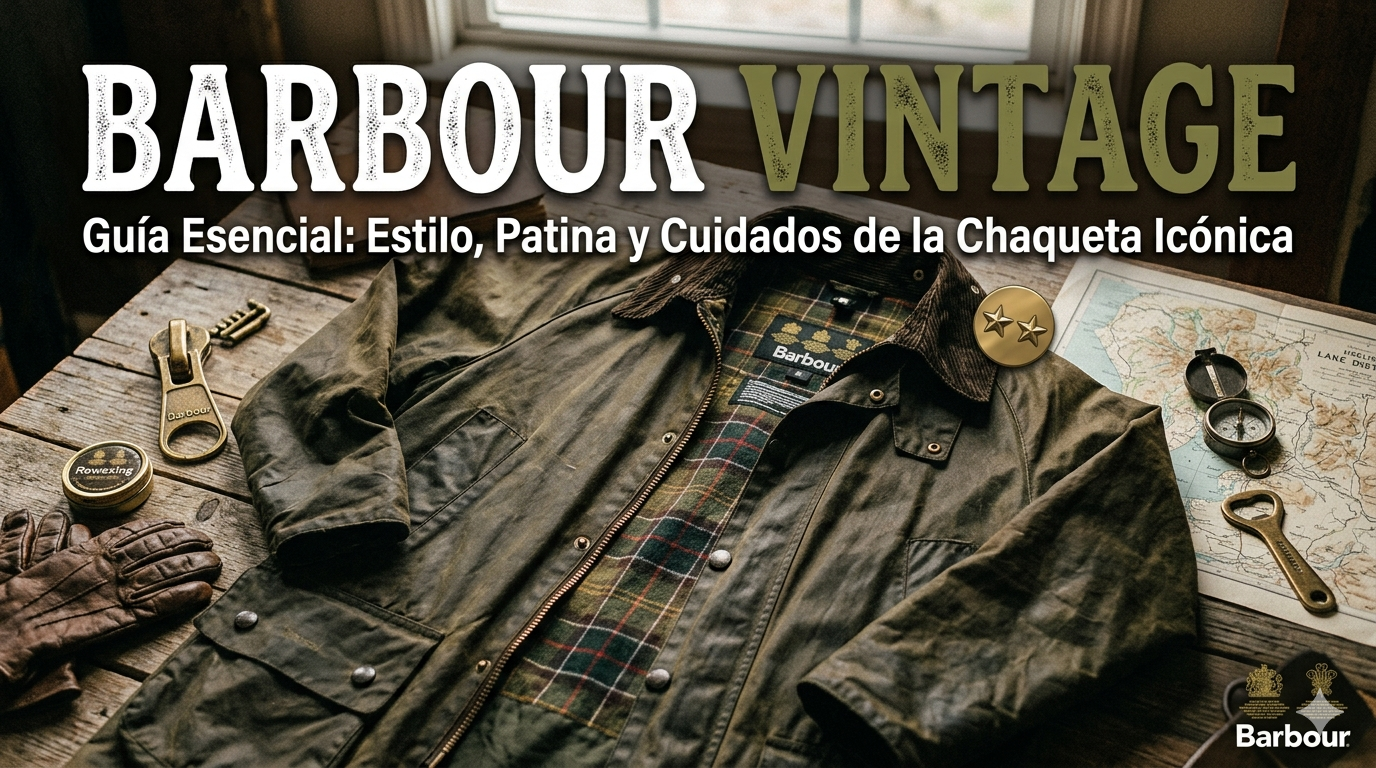
Barbour jackets are vintage icons for a reason: they combine heritage practicality with a timeless English countryside aesthetic. For anyone building a collection of classic outerwear, Barbour vintage is an essential category. The right jacket delivers durability, a weather-ready profile, and the kind of patina that only comes from real use.
The first thing to understand about Barbour is material. Traditional Barbour jackets are made of waxed cotton, and the wax finish is a defining characteristic. A well-loved jacket shows creases, subtle color variations, and a soft sheen rather than gloss. This natural aging is part of the appeal. Look for jackets from the 1980s and earlier with a rich, deep olive green or brown tone. Avoid pieces with heavy cracking in the wax, but a gently dry finish can be restored with the proper rewaxing.
The fit and cut are classic. Barbour’s vintage silhouettes tend to be roomy through the body, with a length that reaches the hips or slightly below. These designs were built to layer over knitwear and shirts, so comfort and freedom of movement matter more than a tight waist. Key styles include the Bedale, Beaufort, Beacon, and Border. Each has its own detailing: the Bedale is shorter and more versatile, the Beaufort features a game pocket, and the Border is longer and more traditional. Choose the shape that fits how you want to wear it—shorter for city use, longer for layered country style.
Functional details are part of the heritage charm. Barbour vintage jackets often include corduroy collars, press-stud storm flaps, a front handwarmer pocket, and a tartan lining. These elements should feel solid and authentic. The cord collar should still be intact, and the lining should remain complete even if slightly faded. Pockets should open freely, and buttons should be original when possible. Patching and minor repairs are acceptable, as long as they preserve the jacket’s structure.
How you wear Barbour is just as important as the jacket itself. For a contemporary approach, pair a vintage Barbour with clean black denim and white trainers. For a more authentic mood, wear it with worn boots, relaxed trousers, and an Irish knit. The jacket can also complement smart-casual looks: a crisp shirt and knit polo under the wax jacket creates a refined yet outdoorsy ensemble. The key is balance—let the jacket lend its classic ruggedness without overwhelming the outfit.
Maintenance is part of the vintage experience. Barbour jackets can be rewaxed to restore weather resistance, and many owners do so every few seasons. Use a gentle rewax product designed for cotton outerwear and follow the brand’s care recommendations. This keeps the jacket feeling alive rather than stiff. A good vintage Barbour is meant to be used, so wear it often and let its character deepen.
Choosing vintage Barbour is also about provenance. Pieces with older labels, brass zippers, and original tartan linings are especially desirable. If you can find a jacket with a repair from a trusted shop or a well-executed label replacement, it can still be an excellent addition to your collection. The goal is to own a jacket that embodies the brand’s story—heritage, functionality, and that quiet sense of confidence.
In the world of vintage outerwear, Barbour remains a symbol of timelessness. Its jackets move effortlessly between countryside ease and city wear, and their best quality is the way they age. A vintage Barbour is not just a coat; it is a reliable, stylish piece that feels more valuable each time it is worn.